Rebranding can redefine the essence of a company. It requires both creative vision and strategic thinking, with the aim of aligning a brand's identity with its evolved mission, values, or market position.
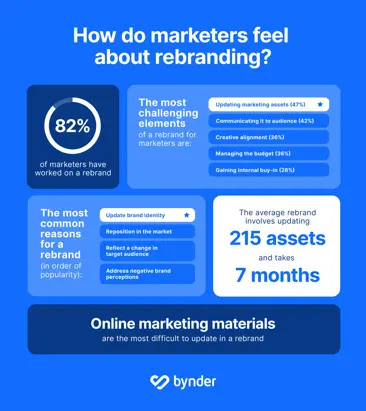
From shedding an outdated image to reflecting a new customer base, companies choose to rebrand for a number of reasons. And they are more common than you would think. Our survey uncovered that 82% of marketers have worked on a rebranding project before.
Read on to learn why the world's biggest companies choose to rebrand and get a 6-step guide on how to rebrand.
What is a rebrand?
For a large organization, rebranding is more than just a new logo. It's a massive, strategic project, driven by the executive team, to change the company's identity in a major way. It usually happens after a huge event like two companies merging, or when the business decides to target a completely new market.
Rebranding is a high-stakes, multi-million dollar program that has to be carefully managed across every department. It encompasses everything from updating the website and legal paperwork to changing signs on offices worldwide and retraining thousands of employees. The main goal is to give the company a clear, updated story and identity that all its employees, customers, and investors can immediately understand and trust.
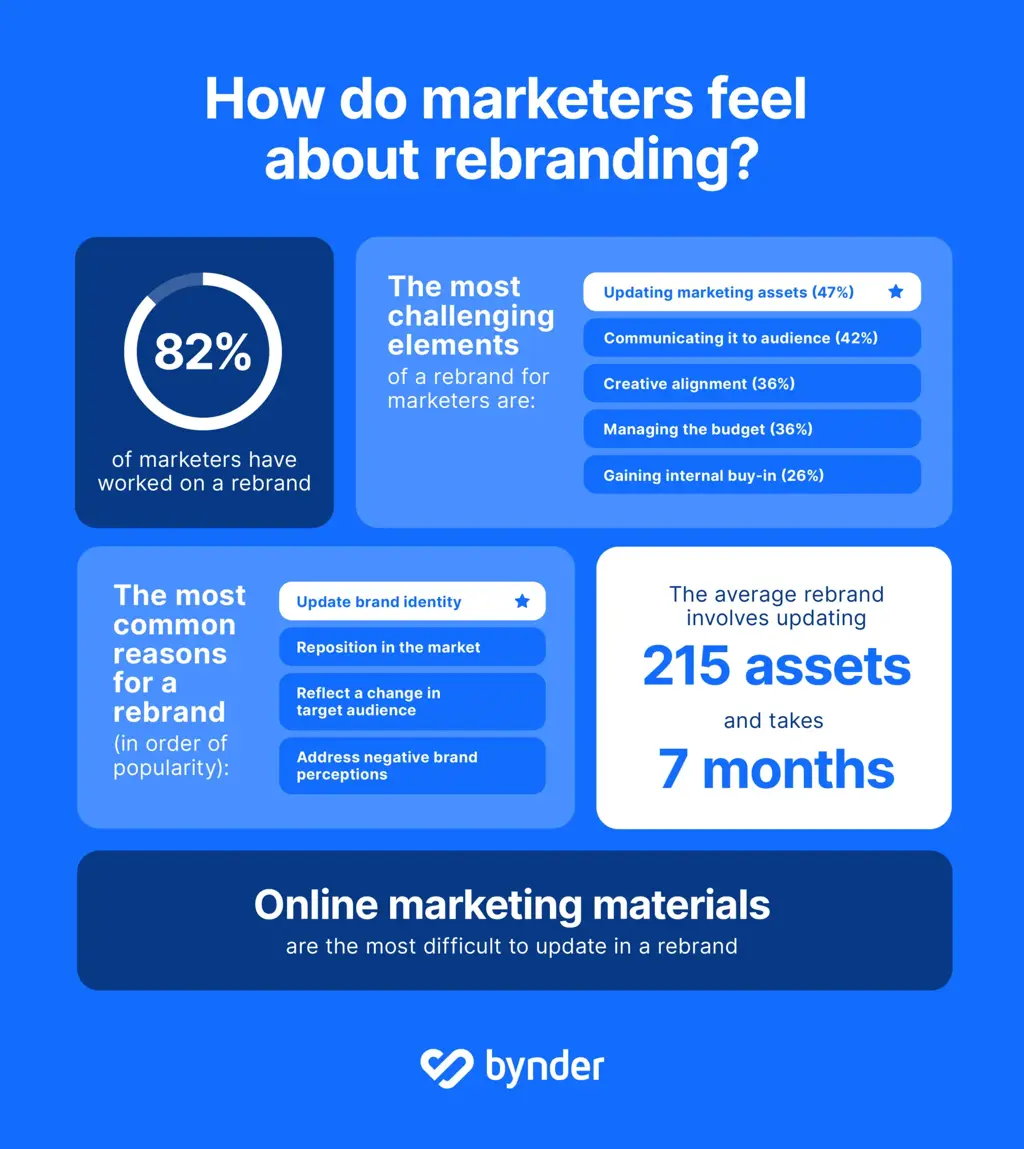
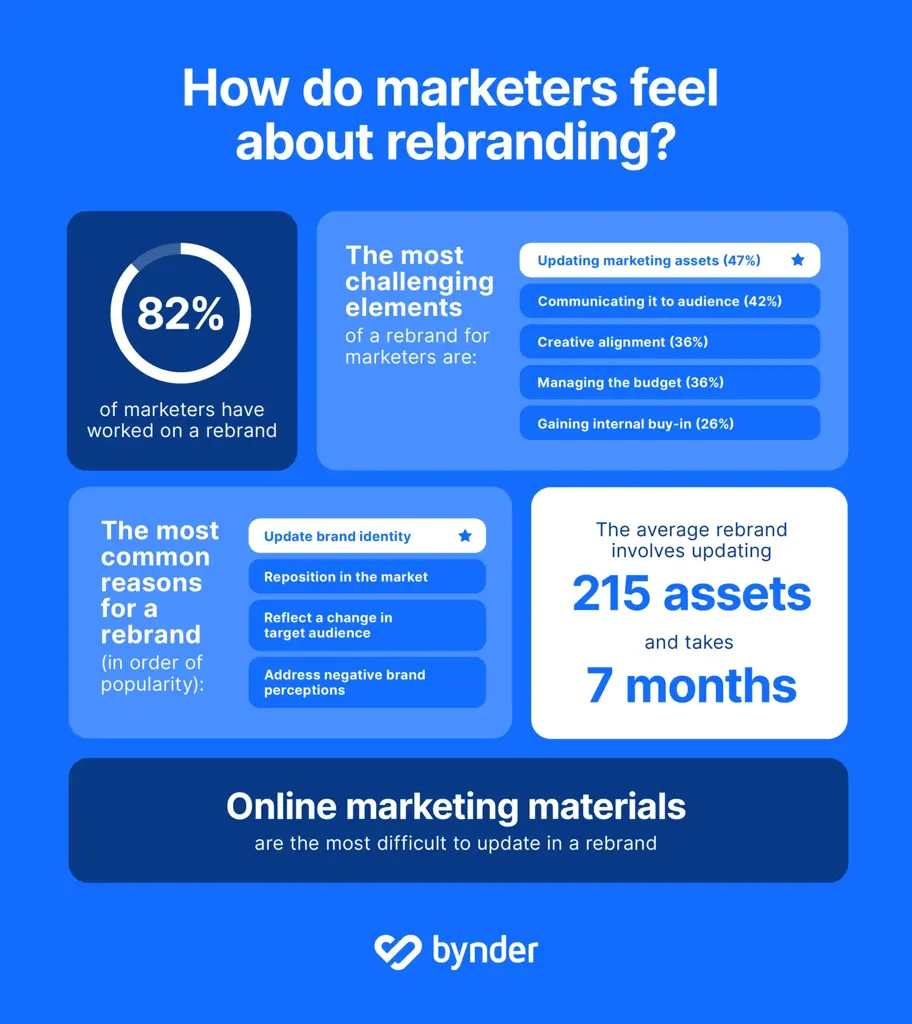
 Infographic showing rebranding statistics
Why do companies rebrand?
A company may choose to rebrand for a number of reasons, but in an enterprise context, this decision must be a strategic undertaking driven by clear, compelling justifications that outweigh the immense investment of capital, time, and internal resources required.
Based on our survey, updating brand identity is the primary driver for rebranding, cited by 57% of marketers.
Other key reasons include:
- Repositioning the brand in the market (45%)
- Reflecting a change in target audience (41%)
- Addressing negative brand perceptions (26%)
Updating brand identity
An identity refresh is vital for a large company to maintain relevance. This involves updating core visual assets like the logo, color palette, and design systems. The goal is to ensure the brand looks contemporary, professional, and is digitally compatible, which is essential for competing effectively in global markets today.
Repositioning the brand in the market
This is a high-level strategic decision, necessary when the company’s current image is out of sync with its new direction. Repositioning usually follows a major shift in the business model, such as moving from selling individual products to offering subscription services. The rebrand serves as a primary external tool for clearly communicating this new brand narrative, ensuring stakeholders understand the company's future focus.
Reflecting a change in the target audience
As an organization evolves, its customer base can shift significantly. A rebranding effort may be launched to connect with a new demographic, support global expansion into new cultures, or deliberately move upmarket to serve larger enterprise clients. This requires carefully adjusting the brand's tone, voice, and visual language to build immediate relevance and trust with these new, important decision-makers.
Addressing negative brand perceptions
When reputation is at stake due to a crisis or persistent negative media coverage, a complete rebrand can be a necessary act of corporate renewal. This strategic move signals a decisive break from the past, demonstrating a commitment to new values, leadership, or standards of conduct. It's an attempt to earn back stakeholder trust and reset the public conversation around the company.
6 key elements of a successful brand refresh
A rebrand will look different for every organization, based on the size of the company, the strategic motivation behind the project, the resources available, and the complexity of the global brand architecture.
A successful brand refresh typically involves these six key phases:
1. Define your aims and reasons for rebranding
Before anything else, you need a solid business case. Clearly define why you are rebranding: Is it to enter a new market, communicate a change in your product line, or fix a reputation problem? This step is all about getting the executive team on board by defining the specific business results the rebrand is expected to deliver, which gives the entire project a clear purpose and direction.
2. Develop your rebrand strategy
This involves setting up the project team, creating a step-by-step roadmap with realistic deadlines, and assigning clear responsibilities across different departments. This makes sure you have the necessary budget, resources, and a solid timeline before the work officially begins.
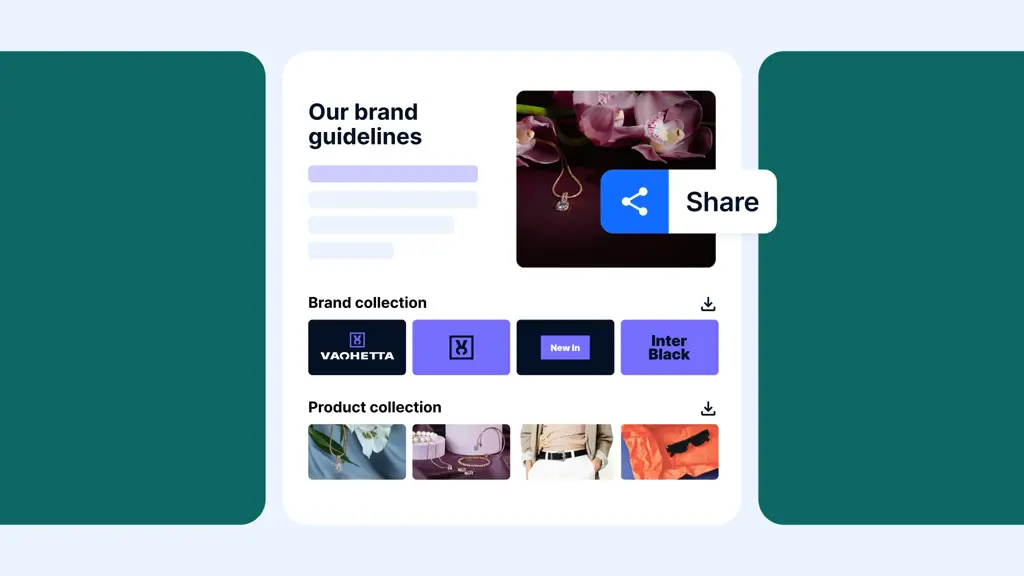
3. Create new brand guidelines and assets
This is the phase where the new identity is fully created and organized. It goes far beyond just a new logo or colors. For a large company, you must create a complete set of rules:
- How the company speaks (verbal identity): Defining the company's core mission, values, and consistent tone of voice (e.g. serious, friendly, or confident).
- How things look (design system): Creating a toolkit of approved visual elements, like specific font sizes, button styles, and image rules, so everything the company creates looks consistent on websites, apps, and documents.
- How brands fit together (brand architecture): Figuring out how the main company name, any smaller sub-brands, and individual products are organized and named.
4. Source feedback
Before the official launch, you should test the new brand to make sure it’s ready. This starts with a legal check to ensure the names and logos are available and don't run into any trademark issues. From there, it's important to gather feedback by showing the new look and messaging to employees, customers, and investors. This helps catch any potential issues and allows for final adjustments to the brand rules, making sure everything is clear and polished before launching it to the public.
5. Implement the rebrand
This is the physical and digital rollout. Implementation is a massive coordination effort that often takes place in carefully managed phases. To succeed, organizations must move beyond manual updates and treat their brand assets as a strategic ecosystem rather than a collection of files.
Using a strategically deployed digital asset management (DAM) platform like Bynder acts as your system of record. It ensures that the moment the new brand is ready, it is instantly accessible as the single source of truth for governance and control. A strategic DAM enables implementation across:
- Digital: Updating websites, software interfaces, and social media by connecting your DAM to downstream tools (CMS, CRM, and PIM) to activate content across all channels simultaneously.
- Physical: Providing vendors and global teams with governed access to brand-approved templates for office signage, vehicle fleets, and packaging.
- Paperwork: Ensuring legal documents and financial reports use the most current, compliant brand marks.
6. Launch
The launch is your public debut. You need to carefully time the announcement to maximize positive impact. After the big reveal, the project shifts to stewardship. This means running the planned external and internal communication campaigns and, most importantly, setting up systems to measure how well the new brand is being adopted. You must enforce the guidelines consistently across all teams to protect the investment and maintain brand integrity.
What's an example of a successful rebrand?
A great example of a successful enterprise rebrand is Peregrine Hospitality. Formerly known as KSL Resorts, the organization manages a huge portfolio of boutique hotels and luxury resorts worldwide. In late 2024, the company launched a bold new brand identity to reflect its new business strategy and focus on global growth.
With over 90 properties worldwide, the scale of the rollout was massive. Using Bynder's digital asset management platform, Peregrine Hospitality centralized over 80,000 new brand assets, making sure that every hotel and agency had the right logo and guidelines from day one.
The company also created tailored "resource hubs" using Bynder's Content Experiences (CX) for User Communities so that different departments knew exactly how to use the new brand in their specific jobs.
Thanks to Bynder DAM, Peregrine Hospitality rebranded with speed, consistency, and precision while setting up scalable processes to empower future growth. The results speak for themselves:
- 49M+ audience reach across owned and earned channels during the rebrand launch
- Stronger brand consistency, faster campaign execution, and closer cross-team collaboration
- Grew user adoption by 63.5% and expanded the asset library by 18.5% in under a year
- Controlled access to sensitive brand assets using granular permission settings and “request to download” features
- Higher engagement with brand guidelines: the most-viewed resources within Bynder
Conclusion
Rebranding is an important part of most companies' journeys at some point. Data indicates how strong branding directly impacts the revenue of a company, and rebranding reflects that your brand is moving and changing with the times.
The process takes a lot of time and resources with data suggesting that it takes on average seven months from initial talks to rollout. If your business, or the business you work for, is planning on rebranding, it is imperative to have clear aims, comprehensive brand guidelines, and a single source of truth for all content. Having a foundation across your martech ecosystem of a strategically deployed DAM like Bynder, will be a key enabler of success.
How to rebrand FAQs
How long does a rebrand take?
Our data suggests the average rebrand takes seven months from initial talks to rollout. The duration depends on several factors, including company size, the number of (sub)brands, and the volume of assets requiring a rebrand. In fact, the survey data found that almost one in ten marketers have worked on a rebrand which lasted between one and two years.
How many assets need updating in a rebrand?
On average across companies, 215 assets will be required to be updated in a typical rebrand, based on our survey data. The huge number of assets which require transformation could likely explain why a typical rebrand takes seven months in total. What’s more, marketers reported that updating marketing assets is the most difficult part of a rebrand.
There are many different kinds of assets which will likely need to be updated during a businesses’ rebrand, including:
- Company logo
- Packaging
- Merchandise
- Email templates
- Internal documents such as presentation slides
- Social media assets
Interestingly, online marketing materials were found to be the most difficult to update in a rebrand; followed by printed materials and then e-commerce sites.
What are the most common challenges of a rebrand?
According to the marketers we surveyed, the most challenging elements of a rebrand are:
- Updating marketing assets (47%)
- Communicating the rebrand to our audience (42%)
- Creative alignment (36%)
- Managing the budget (36%)
- Gaining internal buy in (26%)
Rebrands can also be met with negative reactions from consumers which can feel disheartening to marketing teams. However, responses should be tracked over time, as initial reactions may be a response to the change rather than the new branding itself.