What is a digital asset management system?
Digital Asset Management (DAM) is a software solution that’s used to efficiently and securely store, organize, manage, and share digital files and assets across teams in organizations of all sizes. Quick to deploy and easy-to-use, a centralized DAM system provides peers, employees, clients, contractors and other key stakeholders controlled access to their entire digital content library—including images, photos, creative files, video, audio, presentations, documents, and more.
Digital asset management systems come in all shapes and sizes depending on the needs and specific use cases of the organization. A large retail enterprise may use digital asset platforms primarily for managing e-commerce product imagery, whereas a global nonprofit charity may use DAM mostly for storing and sharing up-to-date documents within its internal teams. Most digital asset storage solutions are no longer just about file storage, but instead offer add-on modules such as brand guidelines and project workflow management tools to drive efficiencies across the entire digital content lifecycle. A digital asset management library is becoming more useful. To learn more about typical DAM features and functionality, check out our digital asset management feature overview.
What are the benefits of digital asset management software?
Quick and easy file access
Most digital asset platforms are cloud-based, meaning everyone has 24/7 access to digital assets from any device with an internet connection. By having all digital content centralized in one location, both internal and external stakeholders can find what they need faster and focus on more important tasks. Similarly, access rights and permissions can be tailored for different users, ensuring the right people have access to the right files.
Cut operational costs
Every minute not spent searching for a file is a minute saved for higher-value work. By enabling faster creation, retrieval, storage, and distribution of digital content, DAM can improve your ROI (return on investment) across all brand and content marketing efforts. Check out our guide, The ROI of DAM to discover the bottom-line benefits of digital asset management.
Everyone is using the most up-to-date content
With digital asset management, you reduce the risk of outdated files being used. Important assets are easily updated upon upload and users have the peace of mind that they’re always using the most up-to-date content.
Keep important assets safe and secure
Implementing DAM systems eliminates the risk of losing important and confidential files by ensuring safe and secure storage in one location. This prevents files from getting lost which often happens when stored on external hard drives and personal desktops or folders.
Share files securely direct from the DAM platform
Files can be shared with both internal and external stakeholders from within the digital asset management system. You can also control how assets are used after they’re shared, with the ability to set expiration dates and track sharing history.
Seamless integration with your wider tech stack
Standalone digital asset management libraries are history. From your CMS and PIM systems to your design and social media plugin tools, digital asset management integrates with a range of tech tools to enable a more efficient flow of digital assets across the content lifecycle—from briefing right up to distribution. Learn more about DAM integrations..
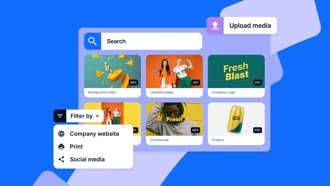


What does a digital asset management solution actually do?
Anytime, anywhere file sharing & access
Digital asset management makes file sharing and accessibility simple. Securely share files without needing to send files with risky email attachments, FTP, CDs and shared servers. Easily configure different levels of permissions and ensure the right people have access to the right files.
Simple & straightforward organization
Keep all of your important digital content secure and centralized in one place. Simply organize your assets in a way that makes sense to your team, so everyone knows how to find what they need, when they need it.
Create, collaborate and share company content from one place
DAM provides a central hub for your team to manage content from ideation to publication. You can review, assign, and approve digital assets without the stress. By getting everyone on the same page, there’s less miscommunications and everyone knows exactly what they need to work on and its status.
That way, you’re always delivering content that is consistent and on-brand. You don’t need to leave the portal either; simply share your files within and your team and to external parties directly from the DAM.
Find files fast
Powerful search options help you locate the files you need quickly. Specify file type and use image filters or in-document search to narrow your results. Metadata management provides the ability to add keywords to assets and even customize and enforce a controlled vocabulary. Keyword consistency greatly improves search within your DAM system.
Rich media asset management
Designed for rich media, Digital asset storage software is equipped with features to support image, audio and video management. See large previews of your creative image files and videos and use standard presets or customize your own to batch convert images or video files.
Manage your brand the right way
Digital asset management systems have robust features to ensure effective brand management. Manage a branded web portal for users and key stakeholders to access the files they need. Create a custom page with corporate brand guidelines and enable click-on agreements to ensure users follow these terms.
Digital publishing & distribution
Digital publishing tools in DAM keep all your assets in one location but allow you to push them to social channels, web content management systems, marketing automation solutions, third-party distribution services and more.
Frequently asked questions about digital asset management solutions and DAM Software
What is the definition of a digital asset?
Digital assets are any form of a digital file. Common digital assets include images, documents, photos, presentations and videos. Digital asset management software is primarily used by enterprise marketing and creative teams, so it is necessary for DAM software to accommodate a broad spectrum of creative files.
Artists and designers often use DAM for different image file formats including raster images created from image-editing software like Adobe Photoshop or vector graphics created in Adobe Illustrator. Even photographers can store Camera RAW files in a DAM. Even though DAM is tailored toward creative workflows, document management and video management are an indispensable aspect of DAM. Marketing teams often implement DAM systems, but businesses can utilize DAM across all departments.
Who needs a digital asset management system?
Anyone looking to optimize current digital asset workflows needs a DAM system. From startups to globally-recognized brands, all businesses, regardless of size, can benefit from implementing digital asset management systems. An enterprise-wide deployment is an easy way to help departments break out of their silos. See how different enterprise players can utilize DAM:
- Marketers can accelerate brand growth and increase brand consistency across all their branded content. Create marketing materials with dynamic templates and easily distribute them to all your marketing offices around the world. They can repurpose your materials and modify them for their region’s language.
- Designers use DAM to optimize creative workflows. Being able to search and find files in seconds saves valuable time. Instead of searching for or recreating images, creatives can save time and resources by just repurposing assets.
- Sales teams can always have the most up-to-date materials they need—anywhere, anytime, from any device. DAM aligns sales with marketing to increase brand consistency. Everyone is happy with the resources they need.
- IT departments feel secure with cloud-based DAM and don’t have to worry about cumbersome installations or deployments. DAM eliminates the need to manage onsite FTP servers, third-party file sending solutions, or worry about file security.
- Agencies utilize DAM to provide a professional experience clients love. A branded web portal keeps creative files organized while matching your brand, ensuring a consistent look and feel when clients and users access it. Enable faster turnarounds to keep clients coming back for more.
- Distributors achieve success by always having the latest on-brand materials. Increase brand consistency and optimize the delivery process across your network.
What is DAM SaaS?
You can find the answer to what digital asset management is at the top of this page. Since you now know what DAM is, we’ll dive into the definition of DAM SaaS, also known as DAM Software-as-a-Service. The SaaS model describes software hosted by a vendor in the Cloud and is delivered to users through an Internet browser, often as a subscription-based service.DAM SaaS is simply defined as digital asset management software hosted in the Cloud. SaaS solutions are quick to deploy and easy to scale to match the growing needs of your business. With a DAM SaaS platform, upgrades that include new features and enhancements are seamlessly rolled out to all customers, ensuring that companies always have the best. For SaaS, DAM support comes directly from the SaaS provider, instead of burdening your internal IT resources.
The opposite of DAM SaaS is locally-installed DAM software, known as on-premise software. On-premise DAM software is typically more difficult to deploy, support, scale and update because all responsibilities fall on your IT department. Unless your company prefers to pay overpriced fees for premium services, SaaS-based digital asset management is the best DAM choice.
Other important factors to consider are security, reliability and total costs. Today, top SaaS companies have paramount security and reliability advantages. They have also become more cost efficient with all important factors rolled into one package.
When do I need to invest in digital asset management?
Firstly, think about how your team currently manages its digital assets and workflows for collaboration, sharing, finding and distributing company assets.
- Is it resource-intensive to find your assets? If it takes more than a couple minutes to find and share your digital files, DAM software can help. With innovative digital asset management tools for organizing and searching, your teams won’t have to spend valuable time hunting for files.
- Can your assets be accessed wherever and whenever you need them? Accessibility is crucial for productivity. If your team cannot get to the files or resources they need, recreating assets push back deadlines and raise issues from duplicate content and brand inconsistencies. DAM software ensures your teams always have the resources they need.
- Do bottlenecks occur during creative collaboration? Increase project communication and visibility. Get real-time alerts when files or new versions are uploaded; comments are added; or assets are approved in a DAM system.
- Does your current system provide enterprise-level security for storage, access and sharing? Important business assets need to be locked down in a stable and secure environment. Reputable DAM companies ensure the safety of all your digital assets with secure data centers and round-the-clock monitoring.
- What is the ROI from DAM? The main factors are listed above, but there are many other reasons why businesses invest in DAM.
How do I select the best digital asset management software?
When you’re looking to select the best digital asset management software for your business, you need to know the current challenges your company faces with regard to managing your digital assets. Discuss specific workflows that will solve these challenges with top digital asset management companies.
- Identify the key users and discuss all the required features and functionality they need and want
- Create a list of these important features to check off when you’re speaking with DAM providers
- Decide if cloud-based digital asset management or an installed on-premise solution is right for your company
- Consider important factors like security, cloud architecture, integrations, implementation process, professional services, customer experience and user adoption
- After seeing DAM software demos with the companies that made the cut, try it out with DAM trials and do a head to head comparison
- Select the best DAM software that your company will benefit from and that your users will easily be able to leverage
For more information on how to select a DAM, download the DAM Vendor Comparison Guide.